
The historical evolution of casinos tracing the journey from ancient games to modern gambling halls
The Origins of Gambling
The history of gambling dates back thousands of years, with evidence of games of chance found in ancient civilizations. Archaeological discoveries in Mesopotamia reveal that dice made from animal bones were used as early as 3000 BC. These primitive forms of gambling laid the groundwork for more organized betting systems, as cultures around the world began to develop games that involved chance and skill. Today, you can explore innovations in gaming by visiting the Casoola United Kingdom official site, showcasing how far we’ve come.

The ancient Chinese also played a significant role in the evolution of gambling, with the invention of games like Keno, which dates back to around 205 BC. This early form of lottery offered a glimpse into how gambling could be structured to include both chance and social interaction, a concept that would be pivotal in the development of modern casinos.
The Rise of Formal Gambling Houses
The concept of dedicated gambling establishments emerged during the Renaissance period, particularly in Italy. The first official casino, known as the Ridotto, opened in Venice in 1638, providing a regulated environment for various card games. This marked a significant transition from informal betting in streets and homes to organized facilities designed explicitly for gambling.
As gambling became more accepted and widespread, other European nations followed suit, creating their own versions of casinos. The allure of the gaming tables drew in the aristocracy and commoners alike, leading to the spread of gambling houses across Europe. This period established the foundations of modern gambling culture, emphasizing socialization and entertainment.
The Expansion of Casinos Worldwide
The 19th century brought about a significant expansion of casinos, especially in the United States. The Gold Rush and the subsequent influx of fortune seekers led to the establishment of gambling hubs in places like New Orleans and later, Las Vegas. The emergence of Wild West saloons, where poker and other games thrived, reflected the growing popularity of casinos as entertainment venues.
The introduction of slot machines in the late 19th century revolutionized gambling. Initially designed for bars and restaurants, these machines quickly became popular in casinos, providing an easy and exciting way for people to engage in gambling. This innovation paved the way for modern slot games and established the foundation for the massive gaming industry we see today.
The Digital Transformation of Casinos
The late 20th and early 21st centuries witnessed a monumental shift in the gambling landscape with the rise of the internet. Online casinos began to emerge, providing players with the convenience of gambling from the comfort of their homes. This new format not only expanded accessibility but also introduced innovative gaming options that were not possible in traditional settings.
Today, online casinos like Casoola offer thousands of gaming options, including live dealer experiences, enhancing the social aspects of gambling. The integration of technology has transformed how players interact with games, ensuring a dynamic experience that continues to evolve with advancements in gaming technology.
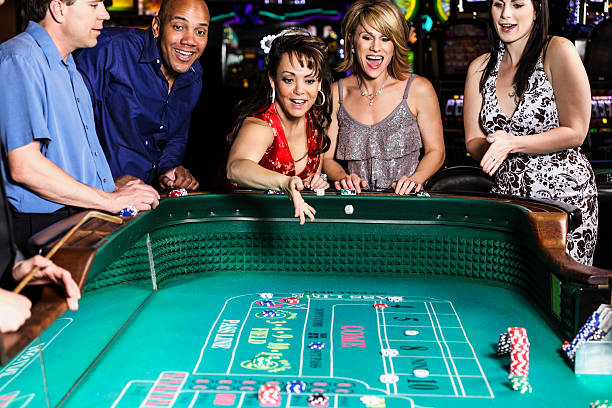
Casoola: A Modern Gaming Experience
Casoola is at the forefront of the modern casino experience, offering a vast selection of over 12,000 gaming options, including slots, table games, and live dealer experiences. Launched in 2026, it prioritizes safe and responsible gaming, providing users with 24/7 customer support to ensure a seamless experience.
With its user-friendly platform designed for both desktop and mobile, Casoola makes it easy for players to explore a vibrant gaming world. New players can take advantage of exciting welcome bonuses, making their entry into this dynamic casino landscape even more enticing. Join Casoola today to experience the thrill of modern gambling in a safe and engaging environment.